
Basement Finishing in SeaTac
Professional basement finishing services in SeaTac and surrounding areas • Licensed & Insured • Free estimates
Basement Finishing Services in SeaTac
Basement framing
Insulation
Drywall installation
Flooring
Why Choose TopVolk Construction LLC in SeaTac?
Licensed & Insured
Fully licensed contractor with comprehensive insurance coverage for your peace of mind.
Local Service
Serving SeaTac and surrounding areas with fast response times and local expertise.
Direct Communication
Work directly with Vladislav - no middlemen, clear expectations, honest recommendations.
Quality Guaranteed
100+ projects completed since 2023. We pay $100 for every day past the agreed deadline.
15% OFF All Labor
Book your renovation this week and save on labor costs.
Materials are billed separately and are not included in the discount.
Last updated September 2026
SeaTac Basement Finishing — Converting 1960s Concrete Into Livable Space
The ranchers and split-levels along Military Road South were built fast in the late 1950s and early '60s — airport expansion brought workers to SeaTac, developers threw up housing to match, and those concrete-block basements near Angle Lake weren't designed with finishing in mind. They were utility space: water heater, furnace, maybe a chest freezer. Fifty years of PNW rain later, many of them have hairline cracks in the CMU walls, efflorescence staining the floor, and a faint smell that tells you exactly what's been growing in there. Finishing that space correctly — which means addressing moisture before a single stud goes up — is a different project than just framing walls and hanging drywall. TopVolk Construction has completed 100+ projects across the Seattle Metro area since 2023, including basement finishing work in McMicken Heights, Boulevard Park, and Riverton. The honest answer is that roughly 70% of SeaTac basements need some level of waterproofing before finish work starts. A DriCore subfloor panel system and a properly spec'd vapor barrier aren't optional upgrades here — they're the difference between a basement that lasts and one you're tearing out in three winters.
SeaTac's residential housing breaks into two main eras. The older stock — mostly in the 98148 zip code around the southwest corner of the city near Des Moines Creek — runs from post-war construction through the mid-1960s. These are typically 900-1,200 square foot homes on post-and-pier or continuous perimeter foundations, with 6-7 foot basement ceiling heights that were never intended as finished living space. The 98188 zip code catches the Angle Lake neighborhood and the areas closer to the airport corridor, where you see more 1970s-80s construction — slightly taller foundation walls, sometimes 7'2"-7'4" of clearance, which makes finishing considerably more practical. Both eras share the same problem: original mechanical runs (ducts, plumbing, sometimes cast-iron drain lines) were installed without any thought to future headroom. Rerouting that mechanical work to gain even 8-10 inches of ceiling height is frequently the biggest cost driver in a SeaTac basement project. Homes in the McMicken Heights area especially tend to have older galvanized water supply lines that should be replaced during the project rather than framed around and forgotten for another decade.
Common Basement Finishing Concerns in SeaTac
Active Water Intrusion Before Any Framing Can Start
Standing water after a heavy rain is obvious. The harder problem is the basement that "seems dry" but shows efflorescence on the CMU walls — that white chalky mineral deposit is proof that water is actively moving through the block and evaporating on the interior face. In SeaTac's older homes near Des Moines Creek, that wall moisture is consistent, not seasonal. Installing a perimeter drain channel (a product like WaterGuard or a site-formed drain system) along the interior footing perimeter, tied to a sump pit with a Zoeller M53 Mighty-Mate pump, typically runs $4,000-$8,000 depending on basement footprint and how many walls are affected. That work has to be complete and inspected before framing starts — not because the permit requires that exact sequence, but because framing over a wet wall and discovering the problem two years later means pulling everything out. Vladislav walks every basement before producing a line-item quote and will tell you directly if waterproofing is a prerequisite. Some contractors skip that conversation.
Egress Windows That Actually Meet IRC Bedroom Requirements
Adding a legal bedroom in a SeaTac basement requires an egress window meeting IRC Section R310 minimums: 5.7 square feet of net clear opening, 24-inch minimum clear height, 20-inch minimum clear width, sill height no more than 44 inches from the finished floor. Most existing basement windows in 1960s SeaTac homes are hopper or jalousie units with maybe 2 square feet of opening — nowhere close. Cutting a larger opening in a CMU or poured-concrete foundation wall requires a diamond-blade core saw, a proper LVL header above the new rough opening, and a window well sized to allow a person to climb out. A Milgard or Pella egress-rated casement unit typically costs $400-$700 for the window itself; the rough opening work, window well installation, and waterproofing around the frame adds $1,500-$2,500 per window. Converting the basement into an AADU under WA HB 1337 means one egress opening per sleeping room. Retrofitting egress windows after framing is done gets expensive fast — plan for them in the initial layout.
Mold Remediation and Vapor Barrier Sequencing Before the Framing Crew Arrives
Mold in a SeaTac basement is rarely dramatic black patches on finished walls. It's usually gray-green surface growth on the concrete block face, on stored cardboard, and on any wood that's been in direct contact with the slab. In 98148 zip code homes that have had a slow water intrusion problem for years, mold often colonizes inside the CMU cavity itself — surface treatment isn't enough. Proper remediation involves HEPA vacuuming, mechanical removal, and an antimicrobial like Concrobium Mold Control applied before any new framing touches those walls. After that, a 20-mil polyethylene vapor barrier on the slab and a 6-mil barrier on below-grade walls creates the necessary moisture break before DriCore subfloor panels go down. TopVolk is a WA Licensed Contractor — we coordinate with the mold remediation specialist and won't start framing until remediation is signed off. Skipping this step is how you end up with mold-resistant drywall that still grows mold because the moisture source was never fixed.
Ceiling Height: Rerouting Ducts and Drain Lines to Reach the 7-Foot Minimum
A 7'0" raw basement ceiling — before you account for a drop grid or furring strips and drywall — leaves you at about 6'8" of finished height, below the IRC minimum for habitable space. Many SeaTac ranchers in the Angle Lake area have original 4-inch galvanized drain lines running horizontally across the basement ceiling, dropping usable height to 6'4" or less in sections. Rerouting a gravity drain line is possible if there's enough slope to the main stack — sometimes there isn't, and a sewage ejector pump (Liberty Pumps 404 series is a reliable option) becomes the solution for a basement bathroom rough-in. HVAC duct rerouting to run through interior wall cavities instead of hanging below the joists is labor-intensive but recovers 8-14 inches of ceiling height where it matters most. Budget $3,000-$7,000 for mechanical rerouting depending on what's there. Getting to a legitimate 7'4" finished ceiling height makes the whole space feel different — and it's the difference between a code-compliant habitable room and an unpermitted basement that creates problems at sale.
Permit Sequencing Through SeaTac's Building Department
SeaTac has its own municipal building department — this is City of SeaTac Community Development, not King County DPER territory. Basement finishing permits for habitable space require architectural drawings showing egress window locations, ceiling heights, smoke and CO detector placement, and the electrical and plumbing rough-in scope. Plan review runs 4-8 weeks for straightforward projects; conversions adding a bathroom or a full AADU under WA HB 1337 can take 8-12 weeks. The inspection sequence matters: rough-in framing, electrical, and plumbing get inspected before insulation goes in, insulation before drywall hangs, and then a final inspection covers everything. Covering work before it's signed off means opening walls. TopVolk, as a WA Licensed Contractor, pulls the permit under our license, coordinates the inspection schedule, and has deadline penalties written into the contract — if we miss a scheduled inspection window due to our own scheduling, there's a financial consequence on our end. Call (206) 591-1096 before assuming you know what's permit-required in SeaTac; some basement scope surprises people.
Frequently Asked Questions
How fast can TopVolk get to SeaTac for a basement finishing consultation?▼
SeaTac is a straight shot from our King County project radius — Military Road South, International Boulevard, or SR-99 depending on where in the city you are, usually 20-30 minutes from our base of operations. On-site consultations are typically scheduled within 5-7 business days for SeaTac addresses. The walkthrough is with Vladislav directly, not a salesperson, and you get a written line-item estimate within 48 hours of the site visit. Call (206) 591-1096 to get on the calendar. You'll get a real answer about timeline and rough cost range on the first call — no runaround, no callback from a scheduler you've never met.
What does basement finishing cost in SeaTac?▼
Baseline basement finishing in SeaTac — framing, insulation, drywall, electrical, basic egress window, and a finished ceiling — runs $45-$75 per square foot depending on ceiling height constraints and how much mechanical rerouting is required. A 600 square foot basement with a half-bath addition is typically a $55,000-$85,000 project. Adding a full bathroom with tile work, a legal bedroom with egress window installation, and higher-end finishes pushes that to $90,000-$130,000. Waterproofing, if needed, is scoped and priced separately as a prerequisite item — not buried in a lump sum. Vladislav provides a full line-item written quote after the site visit. Free on-site estimate: call (206) 591-1096.
What permits does basement finishing require in SeaTac, and how long does the process take?▼
Any basement conversion adding habitable space — bedrooms, a bathroom, a finished family room — requires a building permit through the City of SeaTac Community Development Department. Unpermitted basement conversions show up in sale disclosures and can complicate refinancing or insurance claims. The permit application needs floor plans, a reflected ceiling plan showing egress and detector locations, and electrical and mechanical scope documentation. Plan review typically takes 4-8 weeks. Inspections happen at rough-in, insulation, and final. TopVolk, as a WA Licensed Contractor, pulls the permit under our license and manages the inspection schedule. Total permitted timeline from permit submission to final inspection on a straightforward basement finish runs 4-6 months end-to-end.
Can you add a full bathroom in a SeaTac basement?▼
Yes — and in SeaTac's older housing stock, this almost always means installing a sewage ejector pump rather than relying on gravity drain, because 1960s rancher drain lines typically don't have enough drop to gravity-feed a below-grade bathroom. A Liberty Pumps 404 series ejector handles toilet, lav, and shower drain from below the slab. The bathroom rough-in — including the ejector pit, supply lines, and drain stub-outs — gets inspected before the concrete patch or subfloor panels go down. Budget $12,000-$22,000 for a full basement bathroom depending on tile spec, fixture selection (Kohler or Moen mid-range versus builder-grade), and whether the shower is a prefab insert or a custom tile build over a Schluter Kerdi waterproofing membrane. Custom tile showers take longer and cost more, but they're also what makes a basement bathroom feel like a real bathroom rather than an afterthought.
How moisture-resistant are finished SeaTac basements long-term, and what does TopVolk warrant?▼
Done correctly, a finished SeaTac basement should handle PNW rainfall without issue for 20-30 years. The key is material selection: DriCore subfloor panels keep the finished floor off the concrete slab, preventing moisture wicking into engineered hardwood or LVP flooring. Georgia- Pacific DensArmor Plus or USG Mold Tough Wallboard is standard on all below-grade walls in our projects — not an upgrade line item. The vapor barrier, sump system, and perimeter drain carry manufacturer warranties through their respective products (Zoeller pumps carry a 2-year warranty; DriCore panels are warranted against delamination). TopVolk warrants workmanship for 2 years on finish work and 1 year on rough systems. Warranty issues go directly to Vladislav — not a customer service queue or an office that doesn't know your project.
Does TopVolk cover cities near SeaTac for basement finishing projects?▼
The regular project territory covers all of King County — Des Moines, Burien, Tukwila, Renton, Kent, and south to Federal Way are routine. North King County work in Shoreline and Lake Forest Park is equally accessible. Snohomish County projects in Lynnwood, Edmonds, and Mountlake Terrace, along with Pierce County work in Fife and Milton, are in range for projects above $50,000. Scheduling a consultation in SeaTac or any adjacent city runs through the same process — call (206) 591-1096, describe the project scope and square footage, and Vladislav will confirm fit before asking you to commit to a site visit. No commissioned salespeople involved at any point.
Ready to start your Basement Finishing in SeaTac?
Free on-site consultation with Vladislav. Line-item pricing — no vague ranges.
We Also Serve Nearby Cities
What Our SeaTac Customers Say
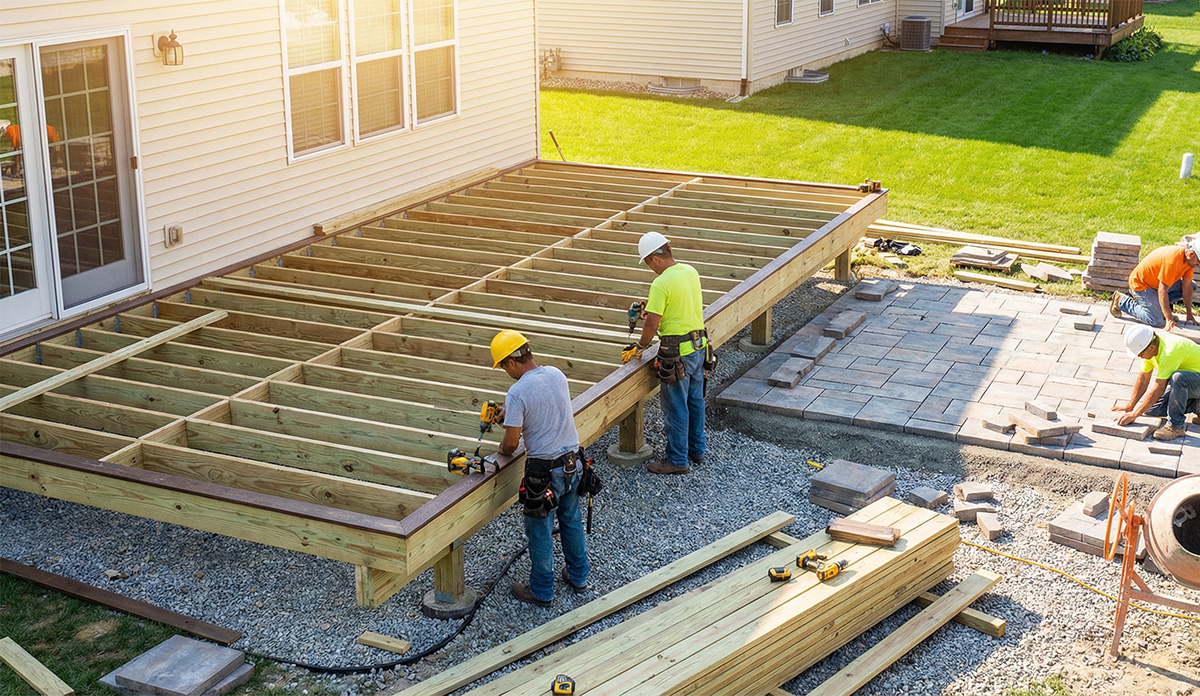
Vlad and his team did an amazing job! They built our deck in just 3 days—no issues at all. Communication was easy, and Vlad helped us choose right deck planks. Installation was quick and flawless. Highly recommend!
Really happy with the service! Vlad was easy to communicate with and helped us to find the best garage door opener. The installation was quick and he did a perfect job. A few months later, I had a question and he came by the same day - even on a weekend. That kind of follow-up is rare these days!
Vlad replaced a bathroom exhaust fan and gave me a reasonable quote up front with no hidden fees. While replacing the fan, he discovered a plumbing vent issue causing mold. He fixed the pipe and treated the mold at a reasonable cost. I really appreciate his honesty!
Outstanding work done by Vlad and team for our home cabinet/living room interior work. Very professional and reasonable charges. Love the service.
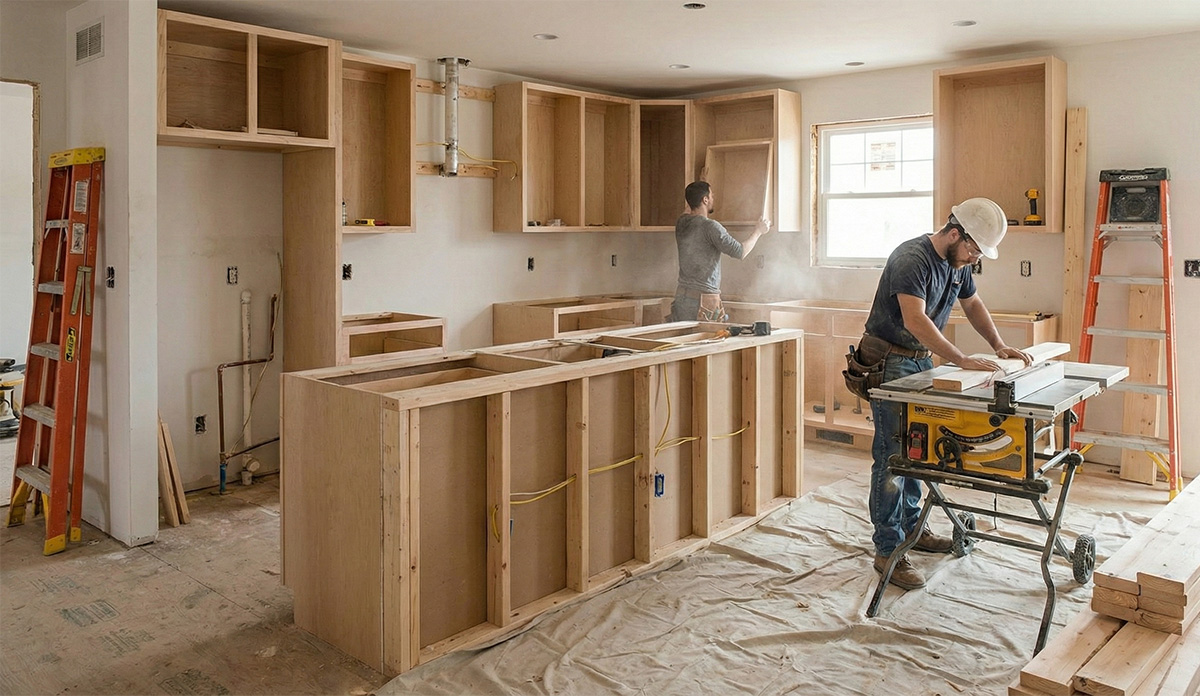
We hired TopVolk for a full kitchen remodel and couldn't be happier. From the initial consultation to final walkthrough, Vlad was professional and attentive to every detail. The result exceeded our expectations!
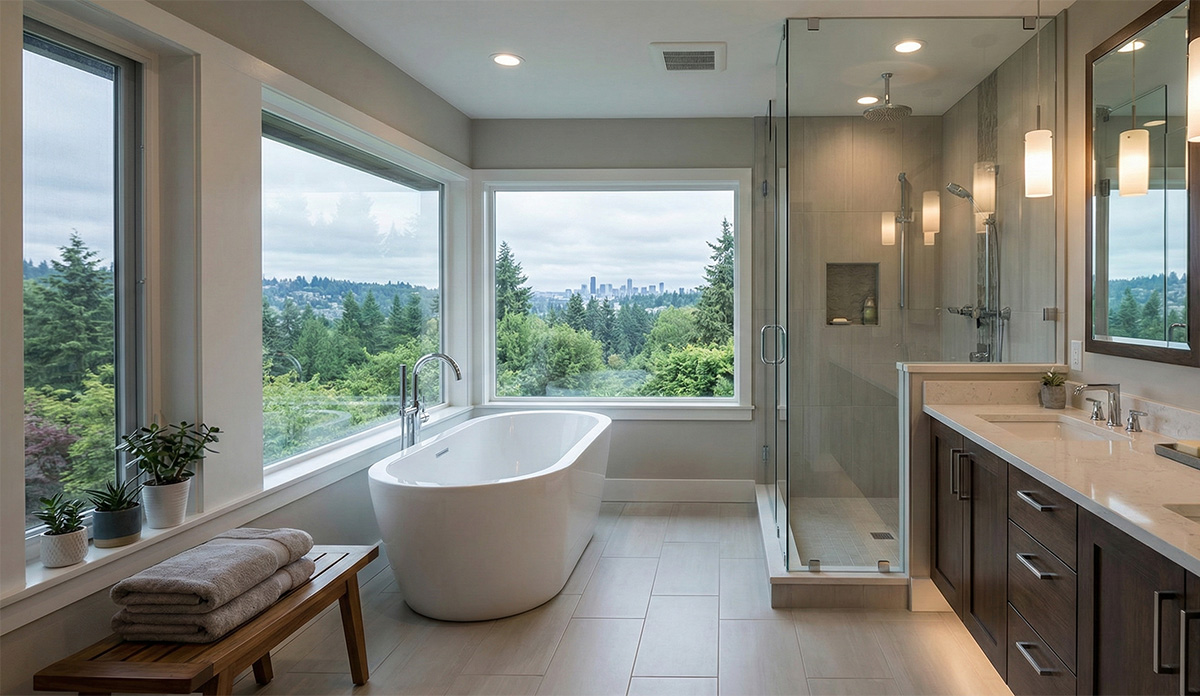
Excellent bathroom renovation! Vlad completed the project on time and on budget. His attention to detail and craftsmanship is outstanding. We'll definitely hire him again for future projects.